



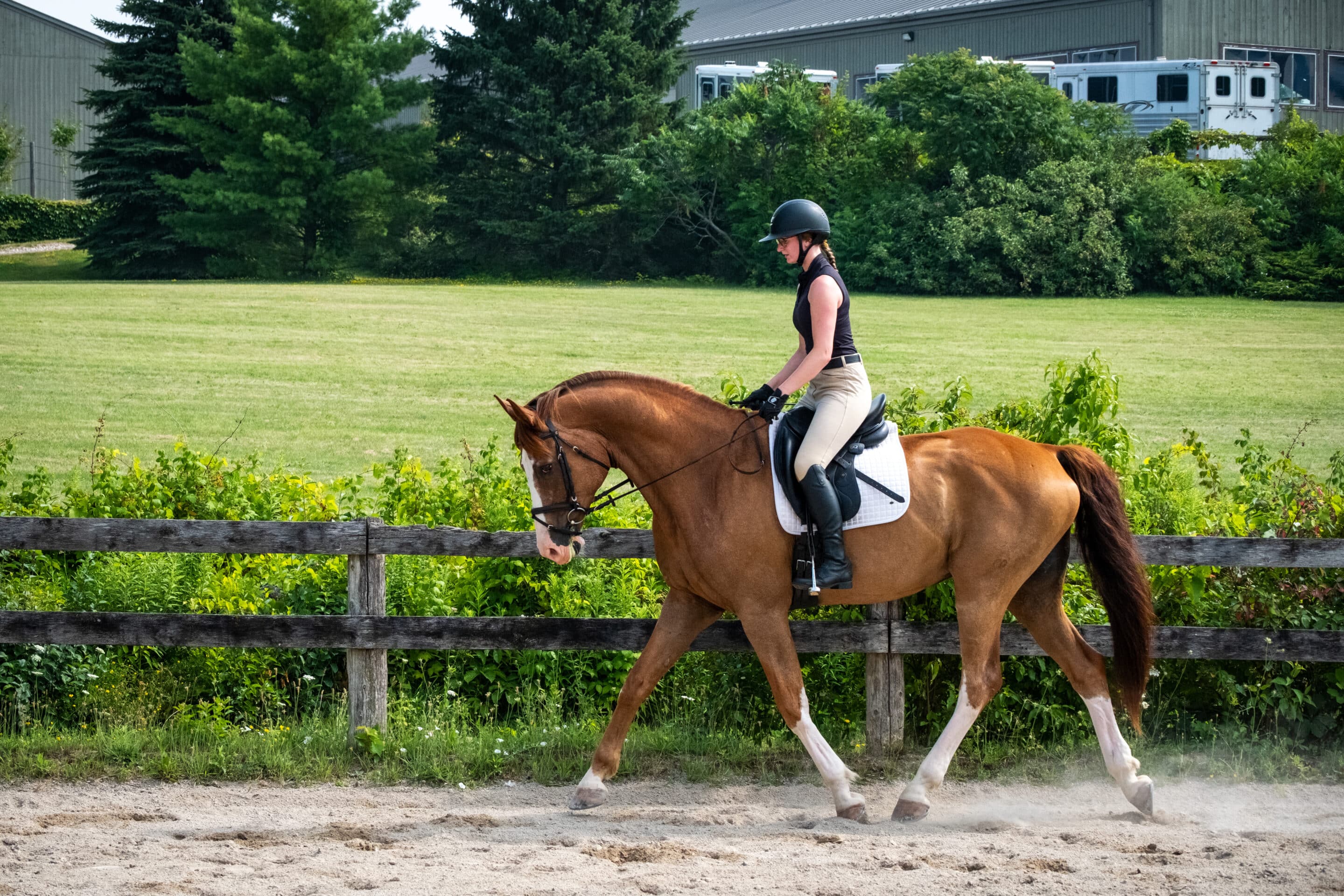
So, what can you do to train responsibly in warmer conditions? Timing is one of the most important factors. Training early in the morning or later in the evening, when temperatures are lower, can make a significant difference. Adjusting the intensity and duration of sessions is equally important: shorter, more focused rides can be more effective than long, demanding workouts. Incorporating more breaks, ensuring access to fresh water, and allowing proper cooling down are essential steps to prevent overheating. Washing the horse down with cool water is essential to getting the core temperature down quickly, and using air fans or ice fans is even better if there’s access. Electrolyte replacement, especially after heavy sweating, rounds out a thoughtful recovery routine and supports the horse for its next session.
Listening to your horse is key, but this is often easier said than done. Subtle signs of fatigue or discomfort can be difficult to recognize, especially during training. This is where objective data can provide valuable support.
Equestic offers a way to better understand how your horse responds to training, even in challenging conditions. The EQ Saddle-Clip measures your horse’s movements and translates them into clear, structured data. By tracking aspects such as rhythm, symmetry, and workload, riders and coaches gain insight into how a horse is performing and coping during a session.
In the context of training in the heat, this information becomes even more valuable. Is your horse maintaining consistency, or is performance dropping sooner than expected? Are there subtle changes in movement that could indicate fatigue? By having access to this data, you can make more informed decisions about when to push forward and when to scale back.
Rather than relying solely on feeling, the EQ Saddle-Clip allows you to monitor trends over time. This helps you adapt your training approach to suit both the conditions and your horse’s individual needs. It creates a more balanced way of working, where performance and welfare go hand in hand.
Ultimately, training in the heat is not about choosing between progress and care. It is about finding the right balance. With thoughtful management, clear communication between rider and coach, and the support of tools like EQ Saddle-Clip, it becomes possible to continue developing and training while keeping your horse’s well-being at the center of every decision.


